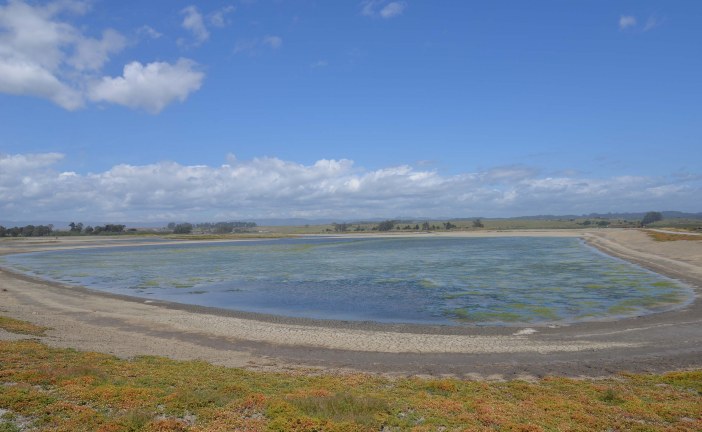
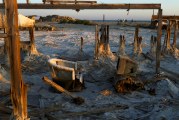
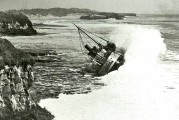
In 1904, the Salton Sink was merely a dry lake bed. But in 1905, it became a huge inland sea almost overnight when the Colorado River was accidentally diverted into the b...
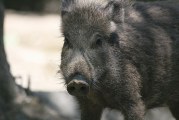
Spanish ships visiting Monterey Bay in 1769 released a bunch of domestic pigs, hoping they would go forth, multiply, and be a plentiful food source for restocking their s...
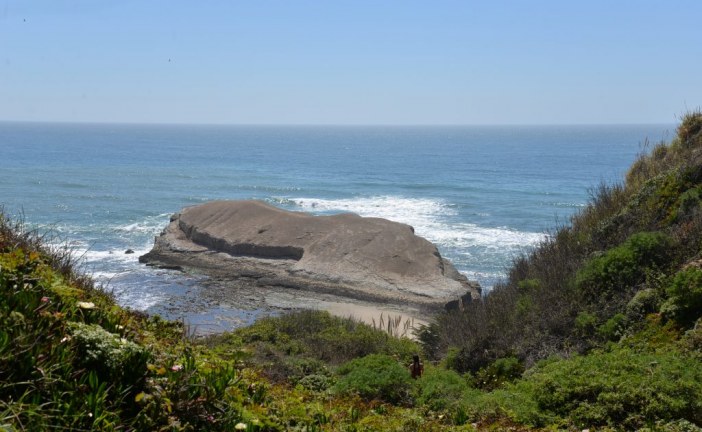
Lots of great things happen at Long Marine Laboratory, including marine research, marine education, and lagoon and bluff habitat restoration. The lab sits atop a beautifu...
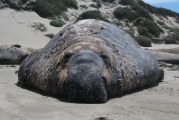
South of San Francisco, about 20 miles north of Santa Cruz along Highway 1, lies a beach hidden behind sand dunes covered in an undulating meadow of native grasses. From...
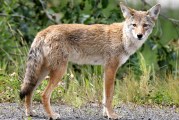
Although it is easy to spot many different plants growing along Pilkington Creek in Santa Cruz, California, it’s harder to spot animals, especially large ones. When the n...
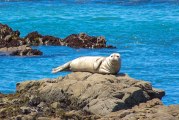
The waters of California’s Monterey Bay, particularly around the Santa Cruz Wharf, are home to the cute and quite fuzzy harbor seal (Phoca vitulina). The smaller of...
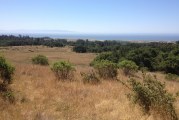
The California coastal landscape has been managed in some way by people for thousands of years. In the Santa Cruz area, the native Awaswas people*, set fires to maintain...
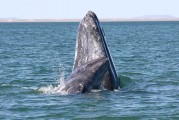
Have you seen any heart-shaped puffs of mist from the ocean offshore California lately? If so you were likely close to a gray whale. Gray whales arguably hold the record...
Many towns have rivers running through them. Often, the river has been integrated into urban planning and is a vital resource used and loved by the community. In some tow...
The Awaswas*, the native people indigenous to the Santa Cruz area of coastal California, could recognize hundreds of plant species and knew a variety of uses for each one...