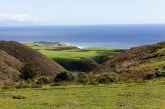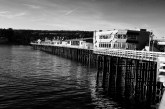
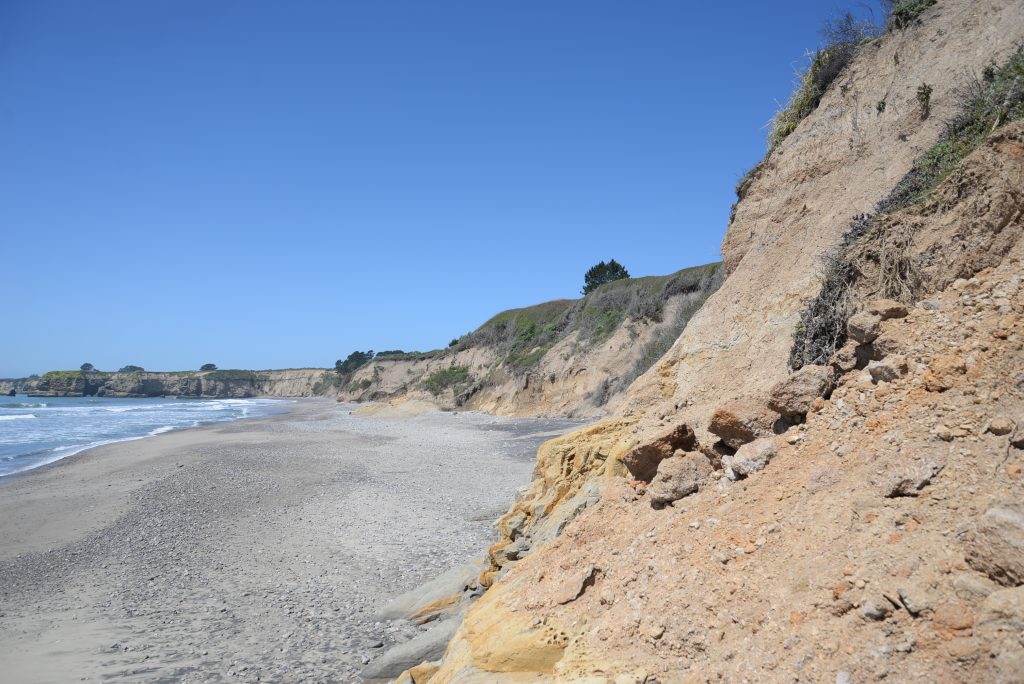
Over 150 years ago, the coastline at Año Nuevo State Park, between San Francisco and Santa Cruz, California, was home to a bustling lumber industry. Even though the wharf at Cove Beach in Año Nuevo Bay once shipped over two million feet of lumber in just one year, it’s hard to find signs of its existence today. The story of this wharf begins about two miles south of Cove Beach at Waddell Beach, now a popular spot for kite surfers and the coastal entrance to Big Basin State Park. In the 1860s, William Waddell, a failed businessman from Kentucky, built his home, a steam-powered lumber mill, the first of two shipping wharves, and a five-mile tramway here in the canyon that now bears his name.
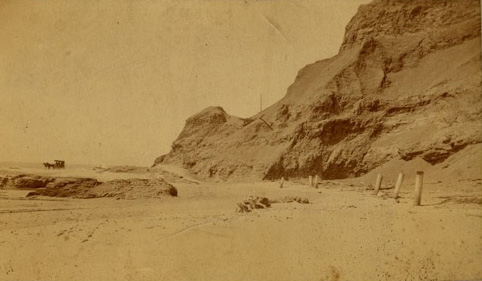
The millworkers cut an impressive 20,000 feet of lumber a day at the mill’s peak operation. Waddell had one major problem, though: He didn’t have a way to ship his lumber to the market.
A Tale of Two Wharves
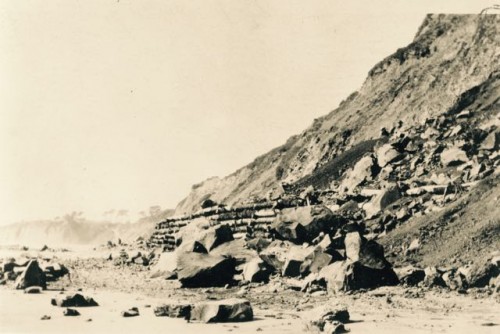
To solve this problem, he began construction of a 1000-foot wharf in 1864. He built it at the mouth of what is now called Waddell Creek. Unfortunately, he hit a layer of bedrock after spending $30,000 ($686,000 in today’s money) and had to abandon construction.
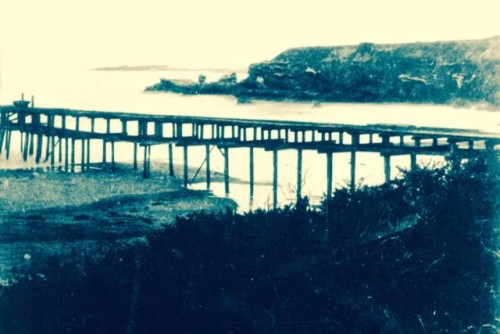
Not to be deterred, Waddell built a second, 700-foot wharf at Cove Beach. Less than a year later, the wharf was washed away in a storm. Waddell replaced it, only to have a large portion washed away again in 1870. It took four men and a horse to retrieve that section.
It Ends with a Bear
On an autumn day in 1875, Waddell went hunting with his dog and the local blacksmith. Near the entrance to a ravine, a grizzly bear attacked him, but his faithful dog jumped into the fray and lured the bear back into the woods.
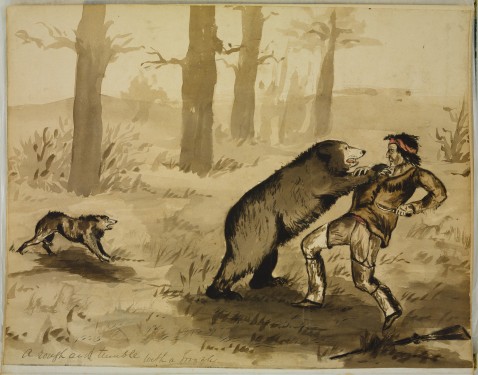
He made it home, but he died five days later from blood poisoning and was buried in the Odd Fellows Cemetery in Santa Cruz. Waddell was one of the last grizzly bear victim fatalities recorded in California before the species went extinct statewide, from hunting, in 1922.
Where to Look for Remnants of the Wharf
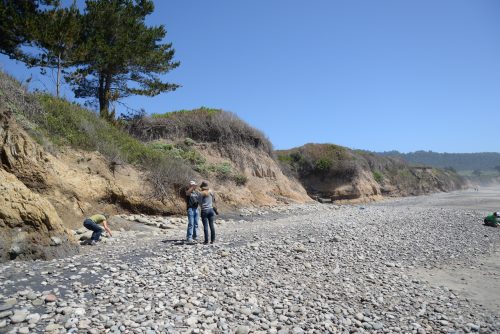
A few remnants of the mill and Waddell’s Wharf remain, but you have to know where to look and the last pier has been eroded away from the beach for decades.
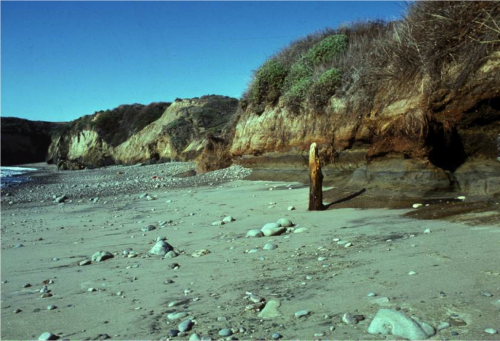
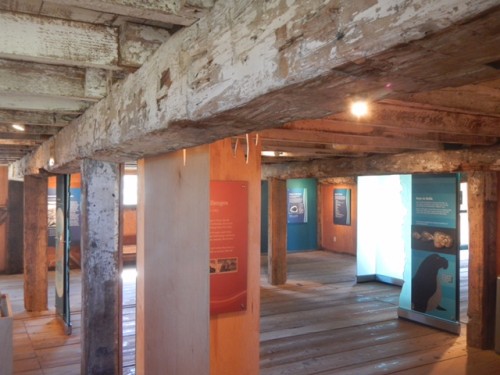
Many of the wharf timbers were reused to build the dairy and horse barn at Año Nuevo State Preserve, which are now the visitor center. Boilers from the mill now function as culverts at May Creek and an unnamed stream. And about two-thirds of the way up Waddell Canyon, you can still find four posts from the five-mile tramway.
These leftover pieces are reminders that Highway 1 was once a wild place where pioneers tried to stake their claims on the land, only to be knocked back again and again by the forces of nature. Today, we try harder to coexist with these wild places, study them, explore them, and protect them for many generations to come.
This piece is part of the Santa Cruz Marine Protected Areas Beaches Tour made possible by the Santa Cruz Collaborative with support from the California Marine Sanctuary Foundation and the Resources Legacy Fund.
Sources
- The Story of William Waddell & The Waddell Mill, by Mike Merritt.